
Precision Farming Technologies Last Verified: 2026-07-24 | Author: Kateule Sydney | Published by E-cyclopedia Resources | Topic: Precision Farming Precision farming technologies leverage IoT sensors, GPS, drones, and data analytics to optimize agricultural inputs and improve productivity Summary: Precision farming technologies are transforming modern agriculture by enabling data-driven decision-making and precise input application. This playbook explores core technologies including GPS/GIS, IoT sensors, remote sensing, variable rate technology, and AI-powered analytics that help farmers optimize yields, reduce costs, and minimize environmental impact. Table of Contents Chapter 1 — Foundations of Precision Farming Chapter 2 — Sensing and Data Collection Technologies Chapter 3 — Variable Rate Technology and Precision Application Chapter 4 — Data Analytics and Smart Decision-Making FAQ: Precision Farming Questions Answered Chapter 1 — Foundations of Precision Farming 1.1...
Chapter 3: Network Security
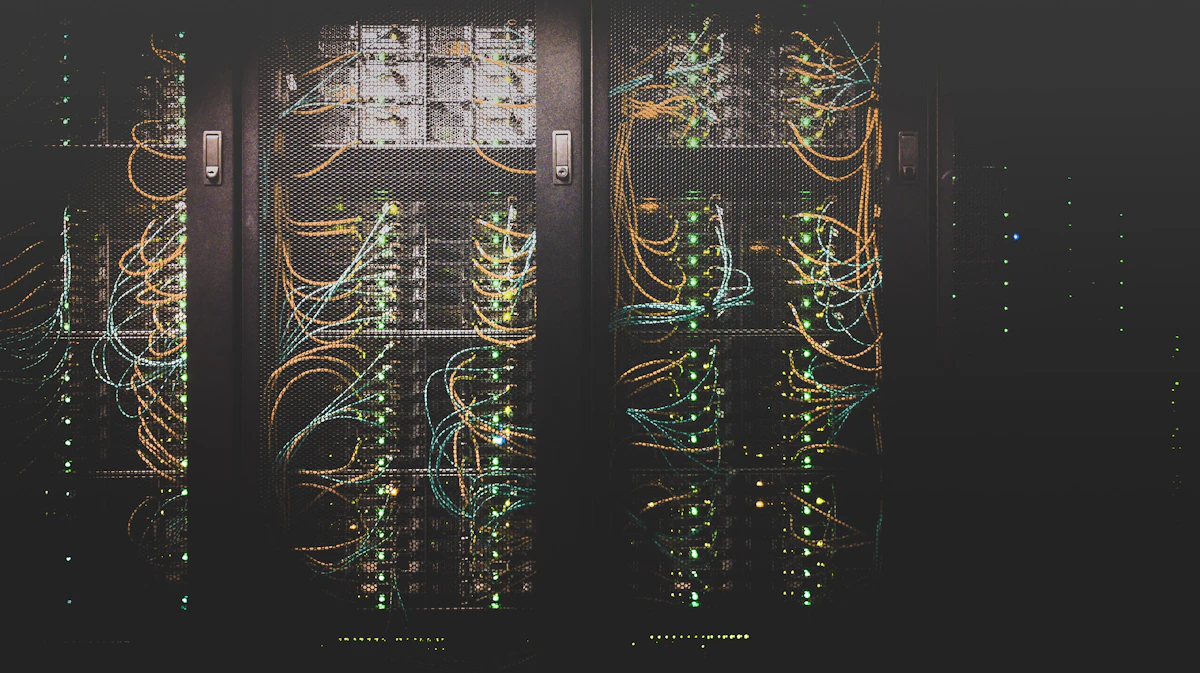
Network security fundamentals are essential for protecting data.
Introduction
Networks are the backbone of modern communication. Every time you send an email, stream a video, or access a website, your data travels across complex networks of cables, routers, and servers. This connectivity enables incredible convenience and productivity, but it also creates significant security risks. Without proper network security, sensitive information can be intercepted, systems can be compromised, and entire organizations can be brought to a standstill.
Network security fundamentals encompass the technologies, policies, and practices designed to protect the integrity, confidentiality, and accessibility of computer networks and data. This chapter explores the essential components of network security, from basic concepts like firewalls and VPNs to advanced strategies like network segmentation and intrusion detection.
Learning Objectives
- Explain how data travels across networks and where security vulnerabilities exist.
- Describe the function of firewalls, VPNs, and intrusion detection systems.
- Implement basic Wi-Fi security measures to protect home networks.
- Explain network segmentation and its role in containing breaches.
- Identify common network attacks and describe countermeasures.
Firewalls
Firewalls are the first line of defense in network security. They act as barriers between trusted internal networks and untrusted external networks like the internet, controlling traffic based on predetermined security rules.
Types of Firewalls
- Packet-filtering firewalls: Examine packets and block or allow them based on source/destination IP addresses and ports.
- Stateful inspection firewalls: Track the state of active connections and make decisions based on context.
- Next-generation firewalls: Combine traditional firewall capabilities with intrusion prevention and application awareness.
Definition: A firewall monitors and filters network traffic based on security rules.
Virtual Private Networks (VPNs)
VPNs create encrypted tunnels between devices and networks, protecting data as it travels across untrusted networks like public Wi-Fi.
Example: A remote worker uses a VPN to securely access company resources from a coffee shop Wi-Fi.
Network Segmentation
Network segmentation divides a network into smaller, isolated segments. If an attacker compromises one segment, they cannot automatically access others.
- DMZ: Buffer network between internal networks and the internet.
- Guest networks: Separate Wi-Fi for visitors.
- IoT segmentation: Isolating smart devices from critical systems.
Key Insight: The Target breach could have been contained with proper network segmentation.
Wi-Fi Security
- WPA2: Strong security when properly configured.
- WPA3: Current standard with enhanced protections.
- Change default router passwords.
- Keep firmware updated.
Common Network Attacks
Man-in-the-Middle (MitM)
Attackers intercept communications between two parties.
DDoS Attacks
Attackers overwhelm networks with traffic from multiple compromised devices.
Example: The 2016 Mirai botnet attack used IoT devices to disrupt major websites.
Case Study: The 2016 Dyn DDoS Attack
Scenario: The Mirai botnet, consisting of infected IoT devices, overwhelmed DNS provider Dyn, taking down Twitter, Netflix, and Spotify.
Key Takeaway: IoT devices with default passwords create massive vulnerabilities. Change default credentials on all connected devices.
Key Takeaway: IoT devices with default passwords create massive vulnerabilities. Change default credentials on all connected devices.
Key Terms
- Firewall: Filters network traffic based on rules.
- VPN: Encrypted tunnel for secure communication.
- IDS/IPS: Monitor and block threats.
- Network Segmentation: Dividing networks to contain breaches.
- DMZ: Buffer network for public services.
- WPA3: Current Wi-Fi security standard.
- DDoS: Attack overwhelming targets with traffic.
- MitM: Attack intercepting communications.
- Botnet: Network of compromised devices.
Summary
- Firewalls filter traffic and block unauthorized access.
- VPNs encrypt data on untrusted networks.
- Network segmentation contains breaches.
- Wi-Fi requires strong encryption (WPA2/WPA3).
- Understanding attacks enables better defense.
Practice Questions
- How does a firewall protect a network?
- Why are VPNs important for public Wi-Fi?
- What is network segmentation and why is it important?
- Compare WPA2 and WPA3.
- How does a DDoS attack work?
FAQ
Q: Is public Wi-Fi safe?
Public Wi-Fi is risky. Use a VPN and HTTPS websites.
Q: Do I need a firewall with antivirus?
Yes, they serve different purposes. Both are essential.
← Previous Chapter | Table of Contents | Next Chapter →
Copyright & Disclaimer
All content is the exclusive intellectual property of the author. For educational use only.
Contact: kateulesydney@gmail.com
© 2026 Cybersecurity Essentials. All rights reserved.
Comments
Post a Comment