
Featured

The Future of Experiential Retail

The Future of Experiential Retail Experiential retail is no longer a niche concept—it is becoming the dominant model for physical stores. As e‑commerce continues to grow, brick‑and‑mortar retailers are reinventing themselves as destinations for experience, community, and discovery rather than mere transactions. This article explores the evolution of experiential retail , the technologies and strategies driving it, and what the future holds for brands that want to thrive in an experience‑driven economy. Quick Summary: Experiential retail focuses on immersive, engaging, and memorable in‑store experiences that go beyond shopping. Key trends: immersive technology ( AR/VR ), retailtainment , community hubs, sustainability, and hyper‑personalization. Brands like Nike, Lululemon, and Apple are leading with flagship experiential stores. Experiential stores generate higher foot traffic, dwell time, and customer ...

The Impact of Economic Crises on Financial Markets

The Impact of Economic Crises on Financial Markets

A Comprehensive 9‑Chapter Analysis for Investors, Analysts, and Policymakers
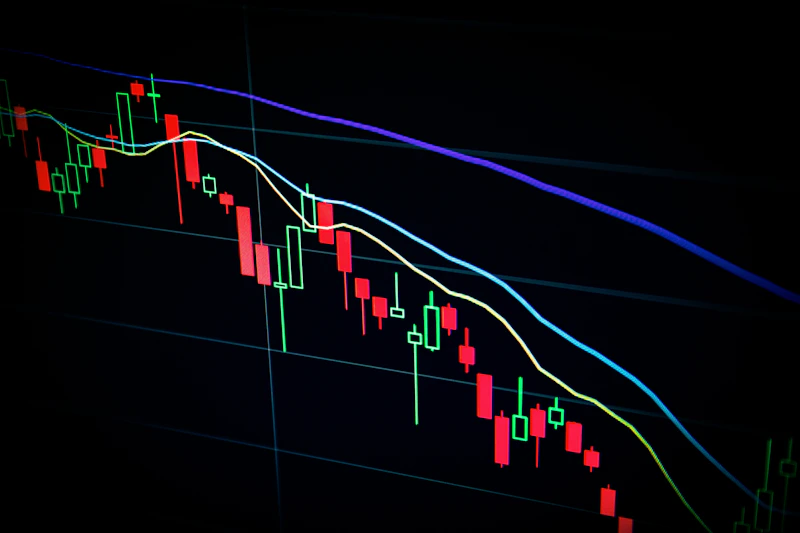
Financial market graph with crisis overlay

Why understanding financial crises is more critical than ever. From the Great Depression to the COVID‑19 recession, economic crises have repeatedly shattered markets, rewritten regulations, and created generational opportunities. This book dissects the anatomy of crises—how they begin, how they spread across asset classes, and how investors and policymakers can navigate the turbulence.

Inside, you'll find in‑depth analysis of historical crises, transmission mechanisms, short‑term market reactions, long‑term structural shifts, and actionable lessons. Whether you're a professional investor, a student of finance, or a business leader, this guide equips you with the knowledge to anticipate, respond to, and even benefit from financial turmoil.

What You'll Learn

  • Why markets overreact – The psychology behind panic selling and herding behavior.
  • How crises travel across borders – The mechanics of contagion in a globalized economy.
  • Short‑term vs. long‑term market behavior – Why the initial drop is rarely the whole story.
  • The policy playbook – How central banks and governments have evolved their crisis responses.
  • Building resilient portfolios – Strategies that have survived decades of turmoil.

Comments

Popular Posts

Structure and Function of the Respiratory System

This article provides an overview of the respiratory system , detailing its structure, function, and the process of gas exchange in the lungs essential for sustaining life. Image by Respiratory System (Illustration).png Gas Exchange in the Lungs The respiratory system is a complex network of organs and tissues responsible for the exchange of gases between the body and the environment. From the moment we take our first breath to every subsequent inhale and exhale , the respiratory system plays a vital role in sustaining life. This article will delve into the intricacies of its structure and function, focusing on the remarkable process of gas exchange in the lungs. Structure of the Respiratory System: The respiratory system can be divided into two main parts: the upper respiratory tract and the lower respiratory tract . Upper Respiratory Tract: Nasal Cavity : Acts as the entry point for air into the respiratory system. It is lined with mucous membranes and tiny hairs called cilia ...

Exploring the Architectures and Roles of Cell Organelles

Explore the intricate structures and vital functions of cell organelles , including the nucleus , mitochondria , and chloroplasts , shedding light on their roles in cellular processes and organismal survival. Image by  Simple diagram of animal cell (en).svg Nucleus, Mitochondria, and Chloroplasts Cell organelles are the microscopic structures within cells that perform specialized functions crucial for the survival and functioning of living organisms. Among the key organelles are the nucleus, mitochondria, and chloroplasts, each with distinct structures and roles. Understanding their compositions and functions provides insight into the intricate workings of cells. The Nucleus: The nucleus acts as the control center of the cell, housing the cell's genetic material in the form of DNA (deoxyribonucleic acid). Structurally, it is surrounded by a double membrane known as the nuclear envelope, which contains nuclear pores that regulate the passage of molecules such as RNA and proteins...

Decoding the Blueprint of Life

This article provides an in-depth exploration of the structure and function of DNA, elucidating its pivotal role in inheritance and the transmission of genetic information across generations. Image by Chromosome DNA Gene.svg Understanding the Structure and Function of DNA in Inheritance Deoxyribonucleic acid , more commonly known as DNA , is often referred to as the blueprint of life . It holds the instructions necessary for the development, functioning, growth, and reproduction of all living organisms. In this article, we delve into the intricate structure and remarkable functions of DNA, exploring its pivotal role in inheritance. Structure of DNA: DNA is a double-stranded molecule composed of nucleotides . Each nucleotide consists of three components: a sugar molecule (deoxyribose), a phosphate group, and a nitrogenous base. The four nitrogenous bases found in DNA are adenine (A) , thymine (T) , cytosine (C) , and guanine (G) . These bases pair specifically with one another: A wit...