The Rise of "Treatonomics"
Introduction: Treatonomics describes the growing habit of choosing small, affordable luxuries during times of economic uncertainty. This article defines the term, traces its roots to the lipstick effect first observed in the 1930s, and explains why the pattern has returned after the pandemic, inflation, and higher interest rates. You will learn how consumers use little treats for a morale boost, which industries benefit and which weaken, and what data shows about debt willingness, housing costs, and retail growth. All explanations are drawn from publicly accessible industry analyses and news reports cited in the references.
What Treatonomics Is and Why It Returned

The lipstick effect, more recently known as treatonomics, was developed in the 1930s to explain trends during the Great Depression. The idea is that consumers seek out small luxuries and rewards during times of economic uncertainty or fear. Shopping for desired or beloved items gives many consumers a morale boost, which they seek most during difficult times.
The trend has reappeared in recent years, as consumers have navigated a global pandemic, rising geopolitical tensions that have resulted in wars and trade disputes, higher consumer product prices and surging wealth disparity. Spending on goods and services that provide significant utility or pleasure gives consumers an emotional reward, or feel-good effect, that feeds into the perceived value of an item. For example, purchasing a designer perfume that is a considerable upgrade in quality can give the purchaser added confidence and joy.
In general, waning economic confidence pushes consumers to be more diligent about their spending. In particular, consumers have dealt with declining purchasing power amid inflationary pressure and higher interest rates. As a result, the US dollar does not go as far as it did prior to the pandemic, forcing consumers to allocate their spending more effectively. As consumers have become more risk-averse, they have turned away from luxury spending to focus on essentials. Any money that is left over may be parlayed into purchasing more affordable treats and rewards.
- Historical root: originated as the lipstick effect during the 1930s Great Depression.
- Psychology: small purchases deliver confidence and joy when the wider outlook is bleak.
- Current drivers: inflation, higher rates, and reduced purchasing power encourage careful budgeting.
How Consumers and Industries Are Responding
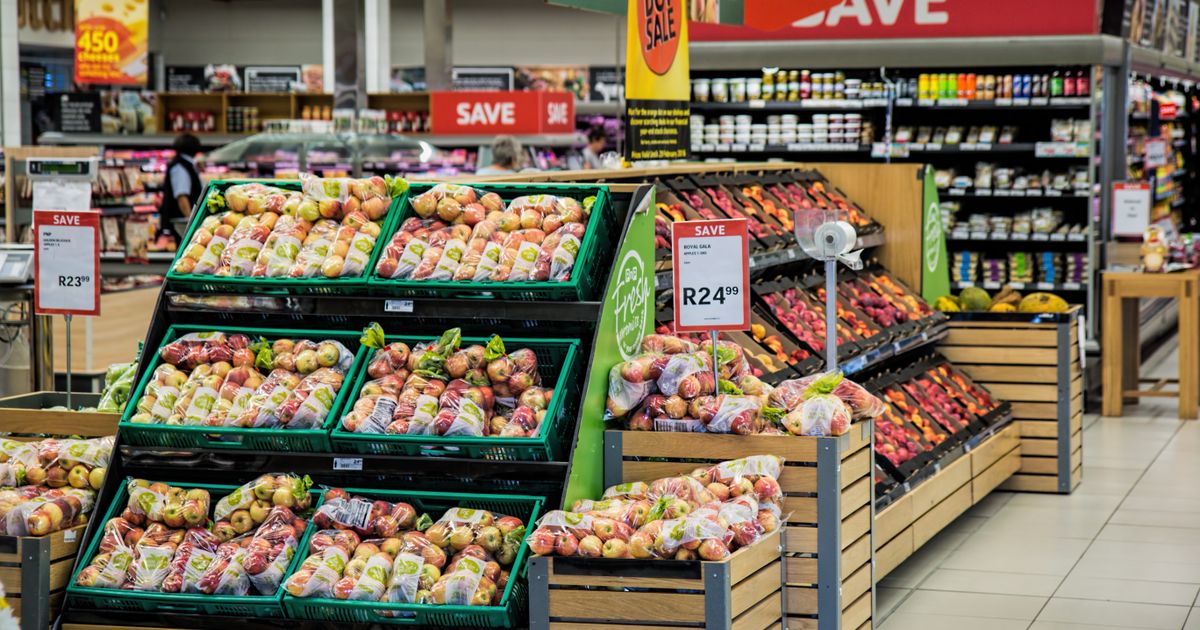
Businesses focusing on fashion, beauty and cosmetics, artisanal food and drinks and home goods benefit from retailing small luxuries that are viewed as affordable indulgences by many consumers. These industries typically perform well when confidence falls, as consumers will reward themselves with a nice box of chocolates or a new scarf, rather than purchasing a new sports car. These small luxuries remain desirable amid economic uncertainty because many consumers can purchase them without significantly impacting their overall budgets.
Research shows that 36 percent of consumers are prepared to go into short-term debt to spend on these tiny rewards. In the UK, the average deposit on a home rose to just above £75,000, while foregoing a £5 flat white every weekday would save roughly £1,200 a year, meaning it would still take around 58 years for that to amount to a deposit on an average home. Despite rising prices, the number of coffee shops in the UK was still expected to grow 2.7 percent by the end of this year, and consumers paid up to £350 for concert tickets that sold out.
The pattern is also visible in collectibles. Labubu bag-charm dolls retailed at £18, but rare versions became so sought-after some sold at almost £1,000 on resale sites. Adults were responsible for £1 out of every £3 spent on toys, totaling £1.2 billion in the year to June, up 5 percent on the year before.
The Kantar report confirms the rise of little treats as drivers of emotional purchases, noting that 36 percent of consumers say they are willing to go into slight debt to treat themselves. This treatonomics is a response to persistent inflation, strained budgets and a growing desire for small, compensatory pleasures. For brands, impulse buying is reconfiguring around items with high emotional value that are instantly gratifying.
Meanwhile, industries requiring large financial commitments have weakened. Construction, automotive and travel businesses have been especially hard hit, and 24 percent of US consumers are delaying or canceling major purchases because of uncertainty. Higher interest rates have made borrowing more expensive, pushing households to defer homes, automobiles and vacations.
Looking ahead, retailers focused on small luxuries are expected to perform well in 2026. Households will continue to prioritize essentials like groceries, clothing and utilities, while focusing disposable income spending on small treats. Research suggests treatonomics will persist for between three and five years.
- Winners: beauty, fragrance, fashion accessories, artisanal food, coffee, and collectible toys.
- Losers: new home construction, expensive cars, and high-cost travel.
- Outlook: continued strength for affordable luxuries as consumers seek immediate joy.