Financial accounting: profit and loss accounts ,trial balances , balance sheets worked examples
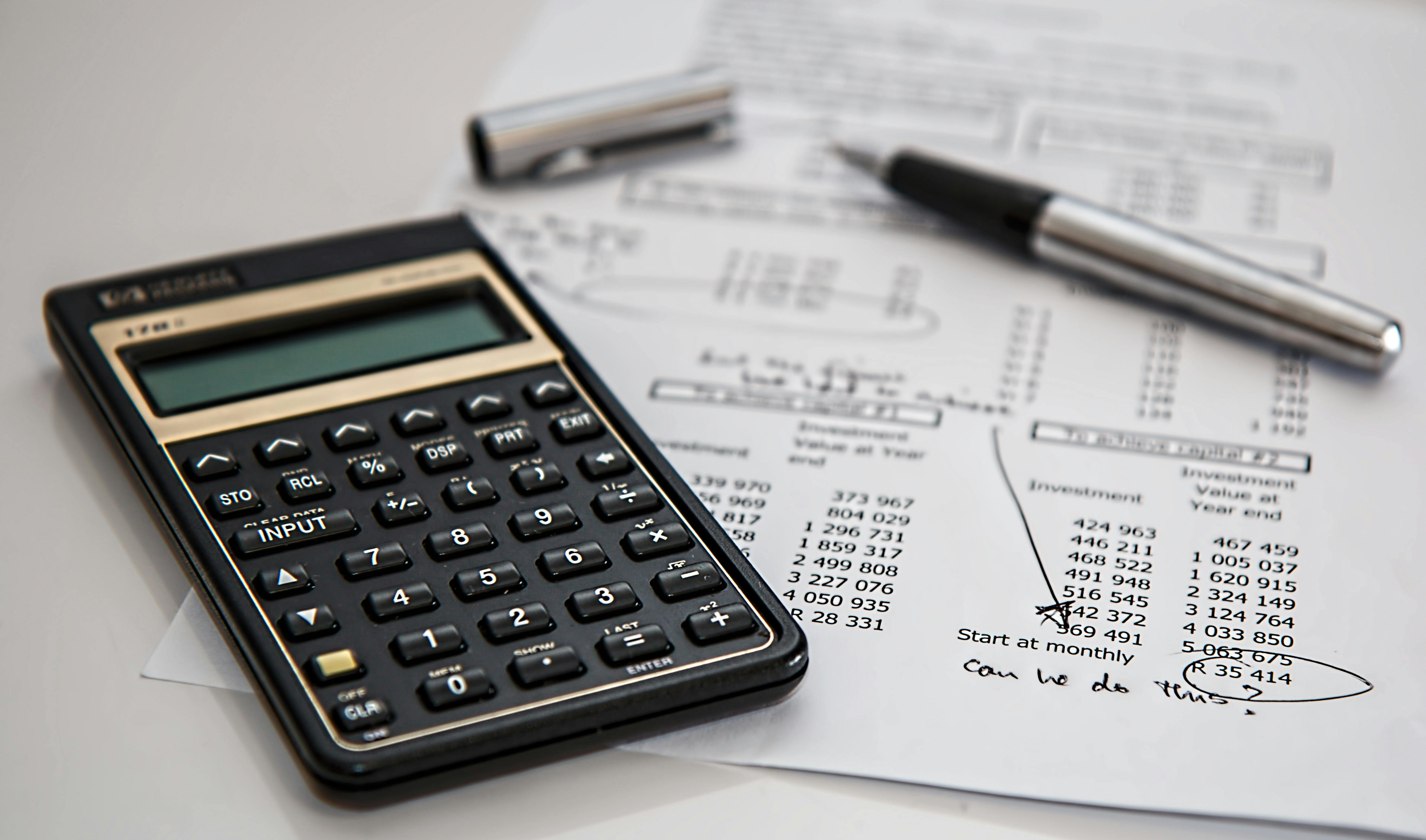
Summary: Financial accounting produces three primary financial statements: the income statement (profit and loss account), balance sheet, and statement of cash flows. The trial balance is an internal report that verifies that total debits equal total credits before financial statements are prepared. The accounting equation (Assets = Liabilities + Equity) forms the foundation for all these statements.
```Table of Contents
Chapter 1: The Trial Balance
1.1 What is a Trial Balance?
A trial balance is a list of all accounts in the general ledger that have nonzero balances. Preparing an unadjusted trial balance is the fourth step in the accounting cycle. The trial balance helps identify any computational errors throughout the first three steps in the cycle.
Like all trial balances, the post-closing trial balance has the job of verifying that the debit and credit totals are equal. The post-closing trial balance is also used to double-check that the only accounts with balances after the closing entries are permanent accounts.
1.2 Sample Trial Balance (Unadjusted)
Unadjusted trial balance for Printing Plus as of January 31, 2019:
January 31, 2019
Cash ...................... $24,800 Dr
Accounts Receivable ....... $1,200 Dr
Supplies .................. $500 Dr
Equipment ................. $3,500 Dr
Accounts Payable .......... $500 Cr
Unearned Revenue .......... $4,000 Cr
Common Stock .............. $20,000 Cr
Dividends ................. $100 Dr
Service Revenue ........... $9,500 Cr
Salaries Expense .......... $3,600 Dr
Utility Expense ........... $300 Dr
Total .............. $34,000 Dr | $34,000 Cr
If the two balances are not equal, there is a mistake in at least one of the columns.
Chapter 2: Profit and Loss Account (Income Statement)
2.1 Definition and Purpose
The income statement (profit and loss account) shows the performance of a firm over the course of time. It reports revenues earned and expenses incurred during a specific accounting period.
Three basic types of financial statements are: the balance sheet, the income statement, and the statement of cash flows.
2.2 Sample Profit and Loss Account
Profit and Loss Account
For the Year Ended December 31, 2020
Revenue:
Pizza Sales .............. $85,000
Beverage Sales ........... $12,000
Total Revenue ....... $97,000
Expenses:
Food Cost ................ $28,000
Labor .................... $35,000
Rent ..................... $12,000
Utilities ................ $4,500
Marketing ................ $2,000
Depreciation ............. $3,500
Total Expenses ....... $85,000
Net Profit ........... $12,000
Chapter 3: The Balance Sheet
3.1 Definition and Accounting Equation
The balance sheet summarizes the accounting equation: Assets = Liabilities + Equity
- Assets — items the company owns (cash, inventory, equipment)
- Liabilities — debt the company must repay (loans, payables)
- Equity — owner's share after debt is repaid
3.2 Sample Balance Sheet
Balance Sheet
December 31, 2020
ASSETS
Cash ................ $12,182
Inventory ........... $4,500
Equipment ........... $8,000
Total Assets .... $24,682
LIABILITIES
Accounts Payable .... $3,200
Credit Card Payable . $2,449
Total Liabilities . $5,649
OWNER'S EQUITY
Owner's Capital ..... $19,033
Total Liab. + Equity . $24,682
Chapter 4: Worked Example - Complete Accounting Cycle
4.1 Problem: Amber Nestor Trial Balance
Unadjusted trial balance for Amber Nestor as of December 31, 20X4:
Supplies ............ $6,790 Dr
Display equipment ... $15,000 Dr
Loan payable ........ $7,500 Cr
Capital stock ....... $25,000 Cr
Revenues ............ $48,590 Cr
Rent expense ........ $11,000 Dr
Salaries expense .... $24,000 Dr
Interest expense .... $500 Dr
Utilities expense ... $5,400 Dr
Total ....... $81,090 Dr | $81,090 Cr
Adjustments needed:
- Depreciate equipment ($15,000 ÷ 3 years = $5,000)
- Accrued commissions revenue: $17,900
- Supplies used: $6,790 - $3,400 = $3,390
- Accrued rent payable: $1,000
4.2 Solution - Final Net Income
Total Revenues:
Original Revenue ........ $48,590
+ Accrued Commissions ... $17,900
= $66,490
Total Expenses:
Rent ($11,000 + $1,000) . $12,000
Salaries ................ $24,000
Interest ................ $500
Utilities ............... $5,400
Supplies Expense ........ $3,390
Depreciation ............ $5,000
= $50,290
Net Income = $66,490 - $50,290 = $16,200
Chapter 5: Error Detection and Adjustments
5.1 Finding Errors When Trial Balance Doesn't Balance
If difference is $200, divide by 2 = $100. Look for an account with $100 on the wrong side.
Method 2: Divide by 9
If difference is $1,800, divide by 9 = $200. Look for a transposed number (e.g., $3,500 shown as $5,300).
5.2 Contra Accounts (Accumulated Depreciation)
Accumulated Depreciation is a contra asset account that shows:
- Original cost of the asset
- Total depreciation recorded to date
- Net book value (cost - accumulated depreciation)
Example: Equipment $70,000 - Accumulated Depreciation $55,000 = Net Book Value $15,000
5.3 Free Download: Financial Statement Preparation Template
Use this template to work through your own accounting cycle.
________|_________|_____|________|_____________|______________
Cash | _______ | ___ | _______ | | _______
A/R | _______ | ___ | _______ | | _______
Supplies| _______ | ___ | _______ | | _______
Equipment| _______| ___ | _______ | | _______
A/P | _______ | ___ | _______ | | _______
Revenue | _______ | ___ | _______ | _______ |
Expenses| _______ | ___ | _______ | _______ |
FAQ
What is the difference between an unadjusted and adjusted trial balance?
Unadjusted trial balance is prepared before adjusting entries. Adjusted trial balance is created after adjusting entries and is used to prepare financial statements.
What is the difference between a trial balance and a balance sheet?
A trial balance is an internal working document. A balance sheet is a formal financial statement presented to external parties.
References
3.6 Prepare a Trial Balance - Principles of Accounting, Volume 1 - OpenStax
5.2 Prepare a Post-Closing Trial Balance - OpenStax
9.4 Developing Startup Financial Statements - OpenStax
5.2 The Balance Sheet - Principles of Finance - OpenStax
Adjusting Entries Problem - PrinciplesofAccounting.com
Why is Accumulated Depreciation a Contra Asset Account? - AccountingCoach