Stagflation, Debt Ceilings & Trade Wars 2.0: 2026 Global Economic Trends Every Investor Must Watch
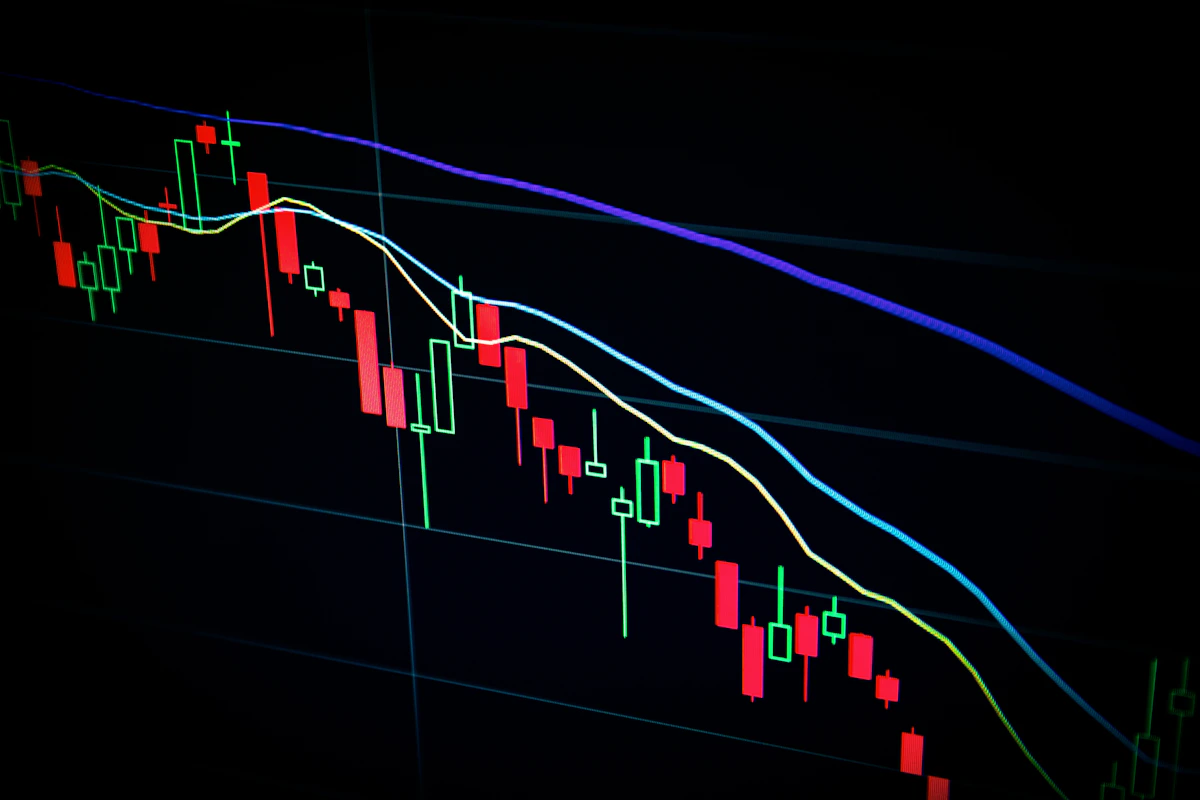
Summary: Global bond yields surged to multi-year highs in September 2026 as structural inflation concerns, rising public debt, and escalating trade tensions reshaped macroeconomic expectations for investors worldwide.
1. The Return of Stagflation – Slowing GDP + Sticky Inflation Data
1.1 Stagflation Definition & Current Indicators
Stagflation — a portmanteau of "stagnation" and "inflation" — describes an economic cycle characterized by simultaneously rising prices (inflation), slowing economic growth, and elevated unemployment. This combination defies conventional monetary policy tools, as rate hikes to cool inflation further suppress already-weak growth.
Current signals in 2026:
- U.S. core inflation (excluding food and energy) rose to 2.9% in advanced economies, up from 2.7% earlier in the year, signaling persistent price pressures.
- Energy commodity inflation surged 19.4% year-over-year as of March 2026, driven by the Iran war pushing Brent crude toward $96 per barrel.
- CG Asset Management portfolio manager Emma Moriarty noted that "the structural characteristics of the global economy have changed, now generating inflation-boosting rather than inflation-suppressing forces."
This stagflationary environment challenges the post-2008 assumption of persistently low inflation and stable growth.
2. Bond Market Warning Signs – Why 10-Year Yields Hit 4.44%
2.1 The Great Bond Sell-Off
September 2026 witnessed a coordinated surge in long-term government bond yields across developed economies:
- U.S. 10-year Treasury — rose to its highest level since November 2023
- Japan 10-year JGB — broke above 3% for the first time since 1996
- U.K. 10-year Gilt — reached levels unseen since the 2008 financial crisis
- Germany 10-year Bund — hit a peak not recorded since 2011
ING's head of global rates Padhraic Garvey described the situation as "the music is still booming" — implying that while absolute yield levels might appear justified, upward pressure continues to build. The bond rout reflects markets pricing in structural inflation from tariffs, defense spending increases, and reshoring of supply chains.
全球長債殖利率飆升!結構性通膨來襲 資產配置邏輯重新洗牌 - 鉅亨網
3. Global Debt Crisis – Public Debt Nearing 100% of GDP
3.1 The Unsustainable Trajectory
Global public debt stands at approximately 100% of GDP, with the U.S. national debt exceeding $40 trillion — a figure that has grown by $4.7 trillion under the Trump 2.0 administration according to CBO estimates.
Key structural concerns:
- Government spending "keeps spiraling out of control" and will eventually "come back to bite," according to Callanish Capital CEO Haig Bathgate.
- JM Finn's Jon Cunliffe observed that investors should not assume a return to the 2010–2020 era of persistently low inflation and stable yields.
- Debt servicing costs now consume a growing share of fiscal revenues, limiting room for countercyclical spending.
Analysts increasingly view U.S. Treasuries as no longer "risk-free" assets, with global dollar holders redirecting funds toward gold, commodities, and non-dollar reserves.
產評:美債危機在發酵 與華貿戰勢升級 - on.cc東網
4. China Shock 2.0 – From Cheap Goods to EV & Battery Export Dominance
4.1 The Evolution of "China Shock"
"China Shock 2.0" represents a fundamental shift in global trade dynamics:
- Phase 1 (2000s): Low-cost textiles, toys, and electronics — displacing manufacturing jobs in developed economies.
- Phase 2 (2020s): High-value exports including electric vehicles, lithium batteries, solar panels, and advanced electronics — threatening the industrial bases of Europe, Japan, and the U.S.
This new wave has triggered "survival panic" in Western capitals. U.S. officials have openly criticized China's automotive subsidies, with some lawmakers proposing import bans. China is simultaneously reducing its dollar reserve holdings and redirecting trade surpluses toward resource acquisitions and yuan internationalization — further undermining the traditional dollar recycling system.
產評:美債危機在發酵 與華貿戰勢升級 - on.cc東網
5. Policy Dilemmas – Fiscal Tightening vs. Growth Support
5.1 Central Banks Caught in the Middle
Central banks face incompatible mandates in a stagflationary environment:
- U.S. Federal Reserve: Markets priced a 66% probability of a September 2026 rate hike following Fed Chair Kevin Warsh's Jackson Hole speech, up from 35% previously. The Fed faces pressure to tighten despite weakening growth.
- European Central Bank: Prioritizing inflation control over growth, continuing on a clearer tightening path.
- Bank of Japan: Moving toward normalization as growth and inflation gain traction.
JM Finn's Cunliffe noted that the BOE and Fed may "tolerate inflation temporarily overshooting" while monitoring second-round wage and price effects — a risky gamble given the structural nature of current price pressures.
全球長債殖利率飆升!結構性通膨來襲 資產配置邏輯重新洗牌 - 鉅亨網
6. Investment Playbook – Sector Rotation & Safe-Haven Assets
6.1 Strategic Positioning for 2026-2027
Based on current macro conditions, investors should consider:
- Commodities: Gold and energy remain attractive hedges against geopolitical risk and inflation persistence.
- Defensive sectors: Healthcare and consumer staples provide stability in slowing growth.
- Short-duration bonds: Avoid long-duration exposure given persistent yield pressure.
- Geographic diversification: Emerging markets with commodity exposure may benefit from dollar weakness and resource re-allocation.
Haig Bathgate warned: "Once inflation gets out of the bottle, it's very hard to put it back in. The duration of inflation we're facing is longer than anyone originally thought."
全球長債殖利率飆升!結構性通膨來襲 資產配置邏輯重新洗牌 - 鉅亨網
FAQ
What is stagflation and why is it dangerous?
Stagflation combines rising inflation with economic stagnation and high unemployment. It is dangerous because standard monetary tools (rate hikes) worsen growth, while fiscal stimulus accelerates inflation, leaving policymakers with no good options.
全球長債殖利率飆升!結構性通膨來襲 - 鉅亨網
Comments
Post a Comment