Gene Therapy & Precision Medicine
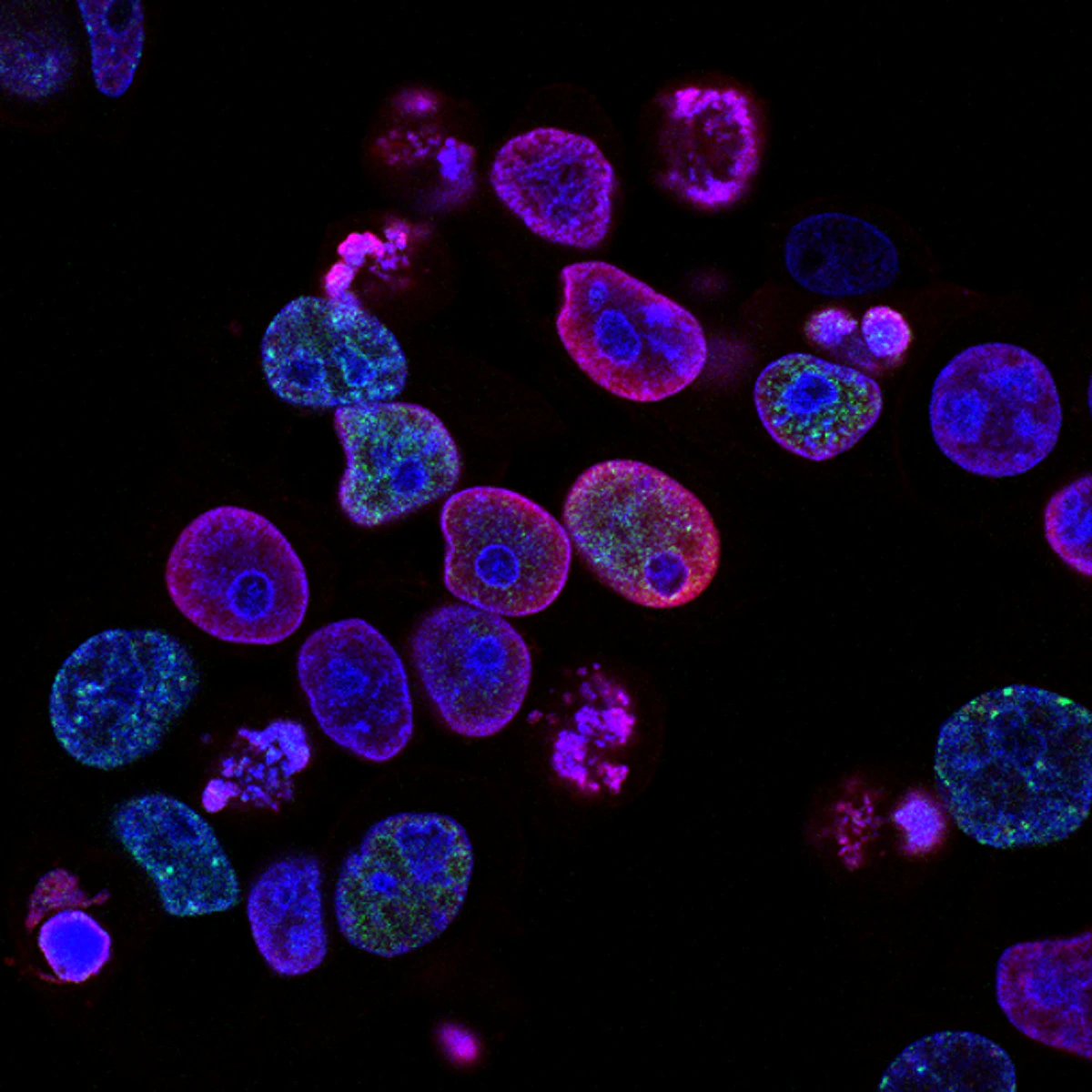
Summary: Gene therapy and precision medicine represent a paradigm shift in healthcare, moving from one-size-fits-all treatments to targeted interventions based on an individual's genetic makeup. Breakthrough technologies like CRISPR-Cas9, base editing, and AI-driven drug design are enabling curative therapies for previously untreatable genetic disorders, cancers, and rare diseases, with over 30 FDA-approved cell and gene therapies now available.
```Table of Contents
Chapter 1 — The Evolution of Precision Gene Editing Technologies
1.1 From Gene Addition to Precision Genome Editing
Gene therapy has evolved from simple gene addition to sophisticated precision genome editing, enabling the direct correction of disease-causing mutations at their source. Breakthrough technologies including CRISPR-Cas nucleases, base editors, prime editors, and CRISPR-associated transposases are fundamentally reshaping the therapeutic landscape for genetic disorders. These innovations are transforming genetic medicine by offering safer, more durable, and truly personalized curative approaches for patients with previously untreatable conditions.
Key precision editing platforms include:
- CRISPR-Cas9: The most widely used system, acting as molecular scissors to cut DNA at specific locations
- Base editors: Engineered to change single DNA letters without cutting both strands, offering more precise corrections
- Prime editors: Advanced tools enabling targeted insertions, deletions, and all possible base-to-base conversions
- CRISPR-Cas12a: An alternative nuclease with different targeting properties, offering distinct advantages
Case Study — Fabry Disease Gene Therapy: The Canadian FACTs trial, the first gene therapy clinical trial completed for Fabry disease, treated five males with a lentivirus-mediated approach targeting CD34+ hematopoietic stem cells. Four out of five patients went home the same day as their infusions, and circulating α-galactosidase A activity remained durable for over five years. All patients were eligible to discontinue biweekly enzyme therapy, with kidney symptoms stabilized across all participants, demonstrating the long-term potential of precision gene therapy for lysosomal storage disorders.
Chapter 2 — Clinical Breakthroughs: From Blood Disorders to Brain Delivery
2.1 Curative Gene Therapies for Severe Blood Disorders and Neurological Diseases
Recent clinical trials have demonstrated that ex vivo CRISPR-based gene editing can provide safe, durable protection from severe inherited blood disorders. Multiple CRISPR strategies for reactivating fetal hemoglobin production in sickle cell disease and transfusion-dependent β-thalassemia show remarkably consistent results, with patients achieving transfusion independence and freedom from painful vaso-occlusive crises. These advances have now been successfully extended to children as young as five years old, offering the potential to prevent organ damage before it accumulates.
Major clinical milestones in 2025-2026:
- Casgevy (CRISPR-Cas9): Disables the BCL11A gene enhancer, achieving 45% fetal hemoglobin production, eliminating transfusion needs in β-thalassemia and nearly all crises in sickle cell patients
- Reni-cel (CRISPR-Cas12a): Edits promoter regions of fetal hemoglobin genes, increasing fetal hemoglobin from 2.5% to 48% in adult patients
- Risto-cel (Base Editing): First major clinical demonstration that base editing can match nuclease editing efficacy, achieving fetal hemoglobin levels exceeding 60%
Case Study — First-Ever Brain-Directed Gene Therapy: In June 2026, an eight-month-old infant with WOREE syndrome became the first patient to receive a gene replacement therapy delivered directly into the brain to restore WWOX gene function. The child, who had experienced severe drug-resistant epileptic seizures since six weeks of age, received the treatment at Schneider Children's Medical Center in Israel. One month post-treatment, the infant remained clinically stable with no recurrence of severe seizures, marking a historic milestone in precision genetic therapies for rare neurological disorders.
Chapter 3 — AI-Driven Innovations in Gene Therapy Design
3.1 Artificial Intelligence Revolutionizing Gene Editing and Precision Oncology
Artificial intelligence is fundamentally transforming gene therapy design by enabling the creation of synthetic CRISPR proteins with enhanced editing capabilities. Researchers have harnessed AI models to design functional CRISPR enzymes not found in nature, with some synthetic variants demonstrating greater genome-editing efficiency than their naturally occurring counterparts. In precision oncology, AI combined with spatial biology is enabling cell-by-cell mapping of tumors to predict treatment responses, moving beyond trial-and-error approaches to personalized therapy selection.
Transformative AI applications in precision medicine:
- Synthetic CRISPR design: AI-generated SynTnpB nucleases show editing capabilities equal to or greater than wild-type TnpBs, with some sharing only 77% sequence identity with natural versions
- Computational antibody development: AI-designed TCR-like antibodies can now selectively recognize intracellular cancer mutations like KRAS(G12D), targeting previously "undruggable" proteins
- Spatial tumor mapping: AI and spatial biology provide a "Google Maps" approach to lung cancer treatment, predicting which patients will benefit from immunotherapy
Case Study — ROME Trial in Precision Oncology: This landmark randomized trial of 400 patients with advanced solid tumors demonstrated that comprehensive genomic profiling coupled with expert molecular tumor board guidance significantly improved outcomes. Patients receiving genomically guided therapy achieved a 17.5% overall response rate compared to 10% with standard care, with progression-free survival hazard ratio of 0.66. The trial succeeded where earlier studies failed by requiring fresh metastatic tissue biopsies, employing comprehensive next-generation sequencing, and mandating systematic expert review of all cases.
Chapter 4 — Overcoming Barriers to Access and Implementation
4.1 Delivery Systems, Safety Challenges, and Democratizing Access
Despite remarkable therapeutic advances, significant barriers remain in delivering gene therapies to all patients who could benefit. The need for intensive chemotherapy conditioning with drugs like busulfan—which can cause life-threatening complications and permanent infertility—remains a major limitation for ex vivo approaches. Additionally, the high cost and infrastructure requirements of precision medicine, including comprehensive genomic profiling and molecular tumor board expertise, risk exacerbating healthcare disparities. New platforms harnessing the brain's glymphatic system and AI-optimized vectors offer promising solutions to delivery challenges.
Critical implementation challenges and solutions:
- Delivery systems: Blood-brain barrier remains a major obstacle for neurological gene therapy; glymphatic transport platforms now enable widespread brain delivery with reduced peripheral exposure
- Safety concerns: Off-target effects and conditioning-related toxicities, including veno-occlusive disease, continue to pose risks, particularly in pediatric populations
- Access disparities: Precision oncology infrastructure requirements—including rapid turnaround genomic profiling and multidisciplinary expertise—remain unavailable in most healthcare settings
- Future directions: AI-designed viral capsids and reduced-intensity conditioning regimens may significantly improve safety and accessibility
Case Study — Glymphatic Gene Delivery Platform: University of Rochester researchers developed a gene therapy strategy using the brain's natural glymphatic transport system to distribute engineered AAV vectors throughout the brain. By pairing specially designed AAVs that preferentially target human glial cells with a delivery strategy that harnesses the brain's fluid pathways, the platform circumvents the blood-brain barrier while minimizing exposure to peripheral organs. This approach could pave the way for new treatments for multiple sclerosis, Huntington's disease, and rare childhood white matter disorders.
FAQ: Gene Therapy Questions Answered
What is the difference between gene therapy and precision medicine?
Gene therapy is a specific approach within precision medicine that aims to correct or replace faulty genes responsible for disease. Precision medicine is a broader field that tailors medical treatment to individual characteristics, including genetics, environment, and lifestyle. Gene therapy represents one of the most powerful tools in the precision medicine arsenal.
How does CRISPR-Cas9 work in gene therapy?
CRISPR-Cas9 acts like molecular scissors guided by a specific RNA sequence to cut DNA at a precise location. Once cut, the cell's natural repair mechanisms can be harnessed to delete, insert, or correct genetic material. This technology enables researchers to edit genes with unprecedented accuracy, potentially curing genetic disorders.
What diseases can gene therapy currently treat?
Over 30 gene and cell therapies are FDA-approved for conditions including sickle cell disease, beta-thalassemia, certain cancers (CAR-T cell therapy), and rare genetic disorders. Emerging therapies show promise for neurological conditions, Fabry disease, and various cancers. Thousands more are being studied in clinical trials worldwide.
Comments
Post a Comment